

Originally posted 11/7/23
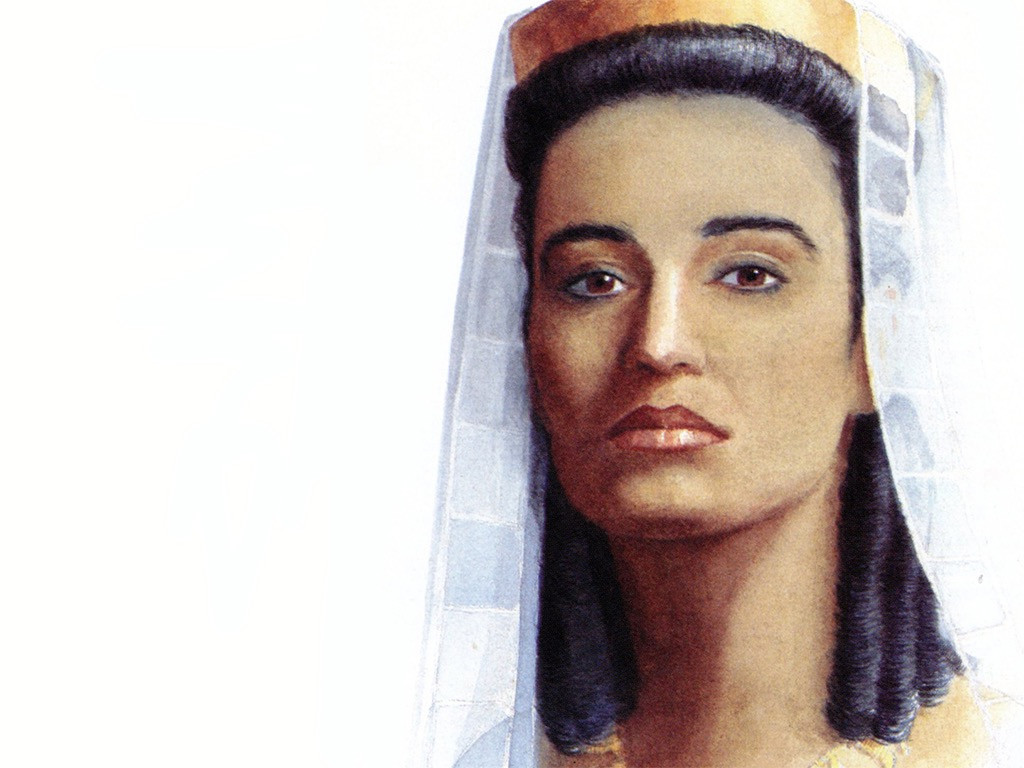
Deborah was a judge during a time of great lawlessness. As the book of Judges unfolds, it shows the lack of obedience to rid the land of the Canaanites. Israel was neglecting to do what God had asked. Judges 4:1 states, “And the people of Israel again did what was evil in the sight of the Lord after Ehud died.” (ESV). The word, again, implies that this is a repeated pattern. The men were doing what was right in their eyes, not what was right in the eyes of God.
Deborah is one of 5 females who are given the title of prophetess. According to Herbert Lockyer in his book, All the Women of the Bible, “a prophetess is someone who has the ability to discern the mind and purpose of God and declare it to others.” (p. 41) Her name means “bee”. It would behoove us to remember that bees gather honey and sting. There is no genealogy of her family mentioned in scripture. We know that she was the wife of Lappidoth and little more. Judges 4:4 is the only record of Deborah acting as a prophetess. The Lord had already revealed his plan to Barak, but he didn’t obey. We see this in Judges 4:6-9. Barak confirmed it and said he would not go into battle without her. Deborah agreed to go with Barak but pointed out that he would not get the credit for the victory. The credit would go to another woman. Giving the credit to a woman instead of Barak would have been considered shameful at that time in history. We will talk about Jael, the woman who gets the credit later.
Deborah was under the Mosaic Covenant. Jesus fulfilled the law of the Mosaic Covenant so many of the requirements no longer exist. The church is part of the New Covenant and the Old Testament individuals did not follow those requirements. Just because it happened in the Old Testament does not mean that we can apply it to our lives in the same way.
According to John Macarthur, “Deborah was a prophetess. She was an unusual woman of wisdom and influence who did the tasks of a judge, except for military leadership. God can use women mightily for civil, religious, or other tasks, e.g., Huldah the prophetess (2 Kings 22:14), Philip’s daughters in prophesying (Acts 21:8–9), and Phoebe a deaconess (Rom. 16:1). Deborah’s rise to such a role is the exception in the book because of Barak’s failure to show the courage to lead courageously (Judg. 4:8 14). God rebuked his cowardice by the pledge that a woman would slay Sisera (v. 9). Judges 4:10”
As we look at this passage, we need to remember that Judges is a descriptive portion of Scripture. The book describes something that happened in the history of God’s people. We should not look at this passage and apply it to our life. It would be like reading passages about David and following his plan for marriage. It is simply not the correct way to interpret this passage. According to Michelle Lesley, descriptive passages may support, but never trump, the clear instruction of prescriptive passages.
Michelle Lesley also states: “Deborah was a judge. She decided disputes between Israelites and discussed with Barak battle instructions that God had already revealed to him. When Barak refused to stand up and fight like a man, God used Deborah, a woman, to show him that another woman, Jael, would get the glory for killing Sisera. In a patriarchal society a woman in leadership and a female war hero would not have been seen by men or women as a positive thing, but rather as shaming men who were too cowardly to step up, lead, and protect their women and children.”
What can we learn from Deborah? She was obedient to God at a time when the men around her were not. However, there is no evidence that she was a prophetess beyond this one instance. There is no record of her speaking in the Temple. Did God use Deborah because the men around her would not act? Did God get frustrated because the men were ignoring him and doing their own thing? We may have to wait until we get to heaven to ask Him. There is no question that God used her to do mighty things.
Photo: John Heseltine / Pam Masco / FreeBibleimages.org.