
Originally posted 11/14/23

2 Kings 22:14-20; 2 Chronicles 34:22-28
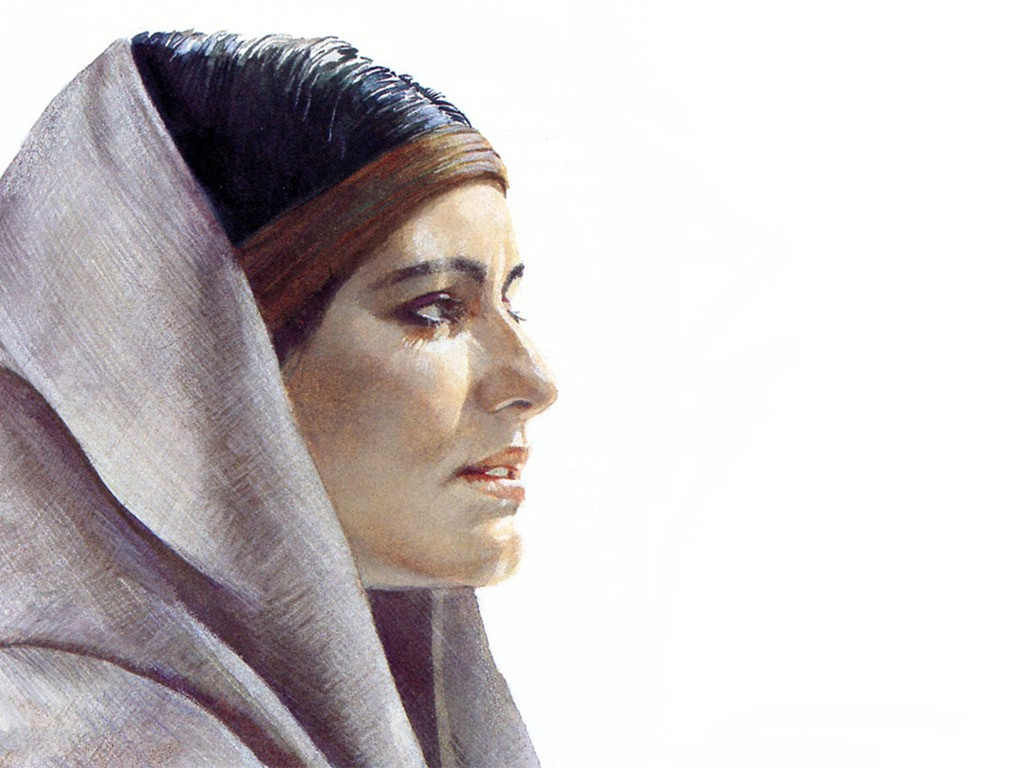
Huldah was a prophetess while King Josiah reigned as king. Josiah was a God-fearing king. The temple was being rebuilt and the Book of the Law had not been located. We do not know much about Huldhah except what is mentioned in 2 Chronicles 34:22 “So Hilkiah and those whom the king had sent went to Huldah the prophetess, the wife of Shallum the son of Tokhath, son of Hasrah, keeper of the wardrobe (now she lived in Jerusalem in the Second Quarter) and spoke to her to that effect.”
John Macarthur writes in the Macarthur Study Bible, “This prophetess is otherwise unknown in the OT. She was held in some regard for her prophetic gift, though why she was consulted and not another prophet like Jeremiah or Zephaniah (see note on 22:1) is unexplained. Rarely did God speak to the nation through a woman (cf. Miriam, Ex. 15; Deborah, Judg. 5) and never did a woman have an ongoing prophetic ministry identified in Scripture. No woman was inspired to author any of Scripture’s 66 books.”The high priest, Hilkiah, found a copy of the Law and took it to the king so that it could be read. It is difficult for us to imagine God’s word ever being lost.
Josiah was a good king and was distraught when it was read and he discovered how far his people had strayed from God’s law. He recognized the truth written on the scroll. Seeking guidance, he sent for Huldah, the prophetess. In the book, All the Women of the Bible by Herbert Lockyer, “Her word was accepted by all as a divinely revealed one.” Josiah sent for Huldah to verify the authenticity of the scroll. P. 70 “Her prophetic message and the public reading of the law brought about a revival resulting in the reforms carried out by Josiah” p. 70
According to www.gotquestions.org, “Huldah the prophetess gave the king’s men a message from God: disaster would strike the nation because they had forgotten God and instead worshiped idols (2 Chronicles 34:23–25). But God had a different message for Josiah. Despite the absence of the Law, King Josiah had honored God by getting rid of idol worship in Judah and Jerusalem (2 Chronicles 34:1–7). As a result of Josiah’s action, the destruction of Judah would not occur during Josiah’s lifetime. Through Huldah the prophetess, God said, “Because your heart was responsive and you humbled yourself before God when you heard what he spoke against this place and its people, and because you humbled yourself before me and tore your robes and wept in my presence, I have heard you, declares the Lord. Now I will gather you to your ancestors, and you will be buried in peace. Your eyes will not see all the disaster I am going to bring on this place and on those who live here” (2 Chronicles 34:27–28).”
According to Michelle Lesley, “ What does it say about the spiritual condition of the most important men in the country – the king and the high priest – when they, in a highly patriarchal society, have to humble themselves and seek out a woman to tell them what God says? Huldah repeated to them what God had told her, and that was it. Since we now have God’s written word and He no longer speaks through direct revelation this way, there is no parallel between Huldah and New Testament women preaching, teaching, and exercising authority.” Hebrews 1:1-2 states, “Long ago, at many times and in many ways, God spoke to our fathers by the prophets, but in these last days he has spoken to us by his Son, whom he appointed the heir of all things, through whom also he created the world.”
In a commentary written by Mary Baxter, she states: “It is perhaps more especially in times of crisis that God raises up godly women to be His interpreters. He can count upon their weakness; they can give Him His place.” This is a commentary comment that I have not seen before. I think it is interesting that at this time in history, the men were not doing what they needed to be doing. They were being unfaithful to God. We also saw this when Deborah spoke a word from God. The passages that we read are descriptive passages so we cannot take this to mean that we should look at these passages about Huldah and assume women can be pastors. Nothing in these passages suggests that. Michelle Lesley states, “God does not contradict Himself. God’s Word does not contradict itself. If He gives us an explicit command, biographical details of a Bible character’s life do not override that command, and we are to obey it.”
What can we learn from Huldah? She was faithful to God. She did what God asked her to do. Nothing less, nothing more.
Photo: John Heseltine / Pam Masco / FreeBibleimages.org.