
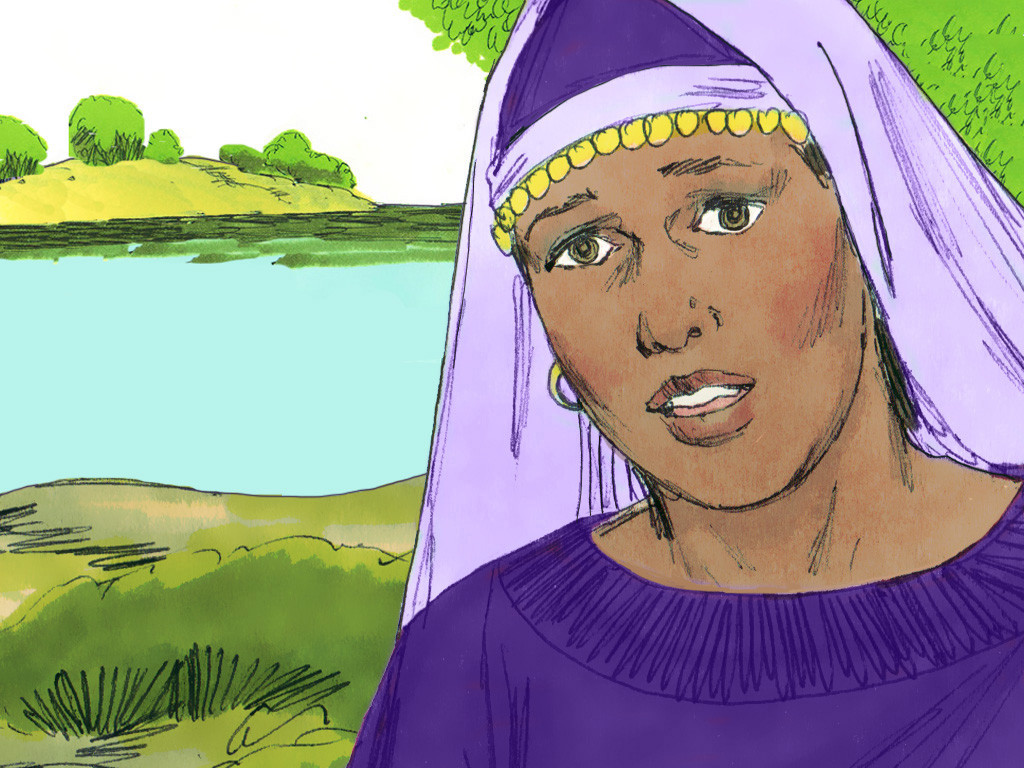

Acts 16:11-15 “So, setting sail from Troas, we made a direct voyage to Samothrace, and the following day to Neapolis, and from there to Philippi, which is a leading city of the district of Macedonia and a Roman colony. We remained in this city some days. And on the Sabbath day we went outside the gate to the riverside, where we supposed there was a place of prayer, and we sat down and spoke to the women who had come together. One who heard us was a woman named Lydia, from the city of Thyatira, a seller of purple goods, who was a worshiper of God. The Lord opened her heart to pay attention to what was said by Paul. And after she was baptized, and her household as well, she urged us, saying, “If you have judged me to be faithful to the Lord, come to my house and stay.” And she prevailed upon us.”
Our story begins with Paul leaving Troas on his way to Philippi. Troas is a major port in the Aegean Sea. Macedonia was a Roman province north of Greece approximately 150 miles across the Aegean Sea. We read that they stayed in Philippi for several days.
On the Sabbath Paul and his men went outside the city toward the river. They had heard of a group of women who were there praying. The Reformation Study Bible notes this about a place of prayer: “According to later Jewish practice, at least ten men were required to form a synagogue. Failing that, a place of prayer could be established outdoors, preferably near water. Although various local and imported pagan religions flourished in Philippi, the city likely had no Jewish synagogue for instruction in Israel’s Scriptures and prayer to the true and living God. They are meeting to read and study the Scriptures, and they welcome the assistance of any Jewish teacher who happens to visit there.” We meet Lydia during this prayer meeting.
Lydia has always intrigued me. Perhaps it is because of my love for all things purple. These few verses give us great insight into Lydia’s life. We know that Lydia was living in Phillipi, however she was from Thyatira originally. Thyatira was known for being the center for the indigo trade, wool, and dyeing. Lydia sold purple goods, most likely cloth. Purple goods were usually utilized by wealthier people due to its higher cost.
I am certain I have read his particular passage many times before. As I read it today, I was struck by two particular details. This passage tells us that she was a “worshipper of God” and “the Lord opened her heart to hear”. It is worth our time to stop and reflect on these two details. She was known as a worshipper of God. I hope that I would be so lucky as to be known for worshiping the Lord. She gathered with others and worshiped. Let’s be like Lydia. But wait, there is more.
The Lord opened her heart so she could hear Paul. God wanted to reveal something new to her so he allowed her heart to hear and understand what Paul had to say. God was about to reveal himself to her in a new and better way. She heard the message of Christian and was baptized. She didn’t hesitate and she shared the news with her family. Scripture doesn’t tell us if her household was with her when Paul spoke or if she went home and shared it. It is also unclear how many were baptized from her household. God used Lydia to save her entire household. Lydia immediately invited Paul and those with him to come and stay with her. Her house must have been large enough to accommodate several guests. I find it interesting that Paul uses the phrase, “she prevailed upon us”. Lydia must have been persistent until they agreed. Because the men agreed, they considered Lydia to be a true believer.
Lydia is only mentioned in a few verses, but she is significant in the overall Biblical story.
Gotquestions.org says it this way, “Lydia’s conversion marks the start of a new epoch in the Bible. Up to that point, the gospel had not gone further west than Asia Minor. In fact, on this journey, Paul’s original intention had been to stay in Asia, but God had changed his plans. The Lord sent Paul a vision calling him westward across the Aegean Sea and into Macedonia (Acts 16:6–10). Lydia, although a native of Asia Minor, is the first person recorded to have been saved in Europe.
The story of Lydia in the Bible is a great example of God’s providence and His care for believers. Lydia was a worshiper of God but, like Cornelius in Acts 10, had not yet heard the gospel. God rerouted Paul and friends and also ensured that Lydia would be in the right place at the right time to encounter Paul and hear the good news of Jesus. And, as Lydia heard the gospel, God opened her heart so that she received the life-giving message. In this story, so full of divine intervention, we see the sovereignty of God in salvation; as Jesus said, “No one can come to me unless the Father who sent me draws them” (John 6:44). We also see the immediate bond that a new believer has with other believers in Christ—Lydia showed hospitality to those who brought the good news, and she wouldn’t take “no” for an answer.”
What can we learn from Lydia? Lydia was open to the leading of the Holy Spirit. She was drawn to Jesus through the word of Paul. We need to always be open to the leading of the Holy Spirit. Lydia also was gathered together with others to pray. We need to make sure we are gathering with others. There is a greater tendency to attend church online. Gathering together is so important for worship and deeper study of God’s word. Lydia was insistent that Paul stay with her. She was hospitable and generous. We can do these things as well. We can host small groups and support missionaries. The way we can be generous with the word of God’s kingdom doesn’t stop there.
We need to all be like Lydia. I challenge you to wear purple and get busy for God’s kingdom. If you are not sure how to begin, pray about it. God will reveal it to you.
Image from www.freebibleimages.org